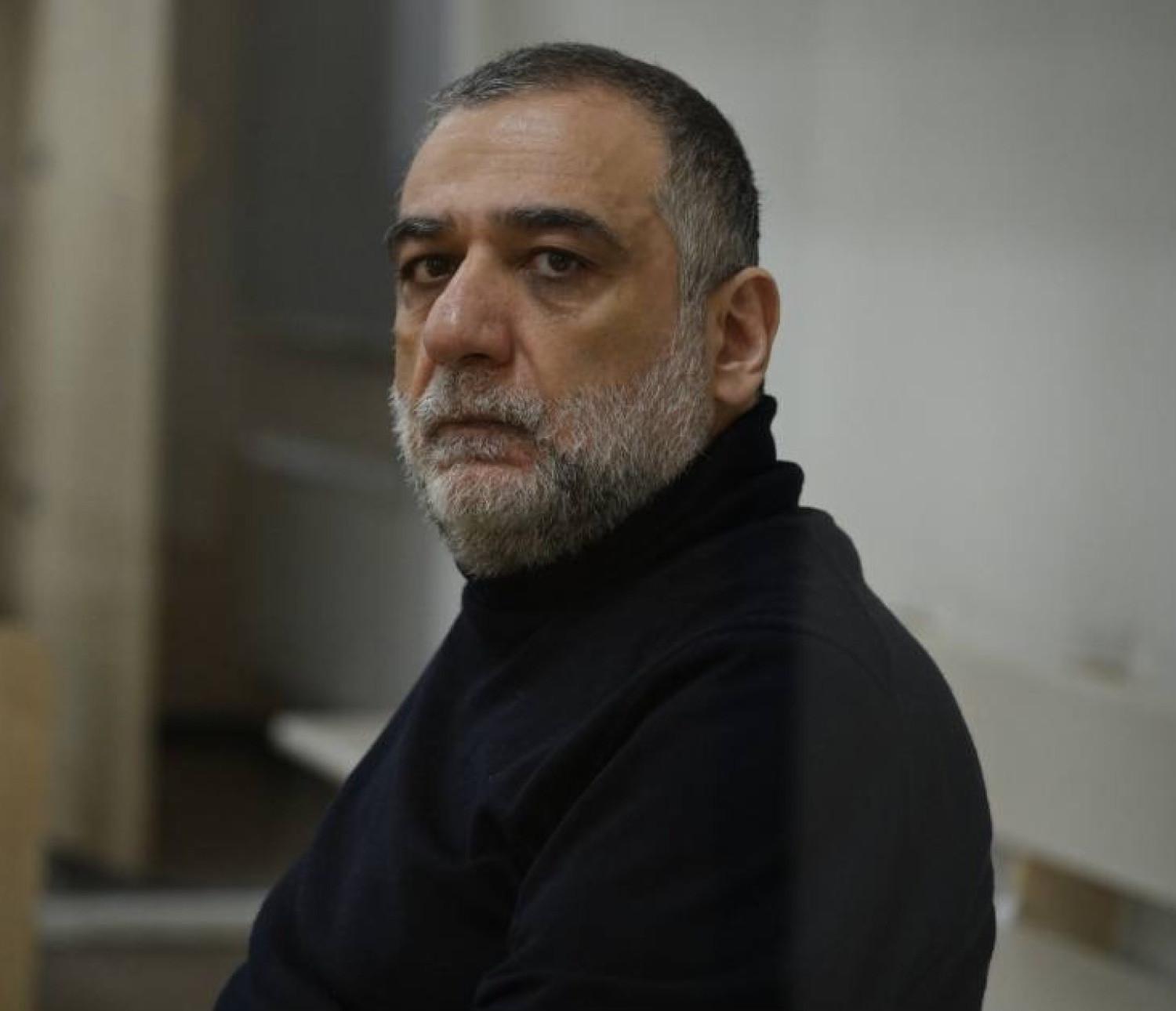

Former Artsakh State Minister Ruben Vardanyan, unlawfully imprisoned in Baku, has issued a sharp public response to Armenia’s Human Rights Defender Anahit Manasyan after she declined to intervene on his earlier appeal to organize an official visit on behalf of Armenian prisoners held in Azerbaijan, redirecting his demands beyond her office and toward Prime Minister Nikol Pashinyan and the Armenian government as a whole.
Vardanyan has been unlawfully imprisoned in Baku since October 2023 and is serving a 20-year sentence handed down by an Azerbaijani military court in February on charges he rejects as politically motivated.
The statement, conveyed through his family on Thursday, escalates a confrontation that began with Vardanyan’s April 21 letter and now openly asks who within the government bears responsibility for the fate of Armenian captives held in Baku for six years.
Manasyan, in her response to Vardanyan’s earlier appeal, explained that her office is not authorized to arrange visits to Armenian prisoners held in Azerbaijan, arguing that her mandate applies exclusively within Armenia and cannot be exercised on the territory of another state.
Speaking in parliament on Thursday while presenting her annual report, she also questioned the very purpose of such a visit, saying that monitoring conditions in another country falls outside her authority and that the objective of any trip would first need to be clearly defined.
Vardanyan declined to publicly assess her position, saying it was a matter between her and her conscience, before turning his attention to the office above hers. “If the protection of Armenian citizens held in Azerbaijani prisons does not fall within the mandate of Armenia’s Human Rights Defender, then whose mandate is it?” He charged that the Government of Armenia had failed to establish any sustainable and coherent mechanism of communication with the prisoners over six years, neither through third-party countries with embassies in Baku nor through international organizations.
He pointed to a contrast that has become central to his messaging from prison. Armenian officials, he said, are able to travel to Azerbaijan on trade and economic matters, but no Armenian delegation has ever organized a visit concerning the lives, health, and legal situation of the captives. “Is the fate of these people not more important than trade negotiations?” He noted that some detainees have received no parcels for over a year, that many have no adequate clothing, and that whatever assistance does reach them arrives informally and without regard for actual need. “People receive not what they need, but what someone decided to send. This is not assistance. These are handouts.” Among those detained, he wrote, are individuals over the age of 70 and others with serious health conditions. “When people who have no teeth are sent dried fruit, that is not help. That is humiliation.”
Vardanyan closed with three concrete demands directed at the Armenian government:
- Name the official personally responsible for the prisoner file.
- Publish the established procedure governing their care.
- Explain what has been done over the past six years.
He framed the alternative bluntly. “Or honestly admit that no such official exists, and that the captives have no reason to expect help from their own state.”
Below is the full statement by Ruben Vardanyan, conveyed through his family on May 7, 2026:
“I have reviewed the response of the Human Rights Defender of the Republic of Armenia, Ms. Anahit Manasyan, to my appeal.
I will not publicly assess her position. That is a matter between her and her conscience. I will say simply: I am genuinely sorry. God will be your judge.
However, this response raises very specific questions — not only for the institution of the Human Rights Defender, but for the Prime Minister of the Republic of Armenia.
If the protection of Armenian citizens held in Azerbaijani prisons does not fall within the mandate of Armenia’s Human Rights Defender, then whose mandate is it?
Who has been appointed within the government to be responsible for this matter? When were they appointed? Why do neither the families of the detainees nor society at large know anything about this?
There are people who have been in Baku’s prisons for six years. During this time, the Government of Armenia has failed to establish any sustainable and coherent mechanism for communication with them — neither through third-party countries, including the embassies of states with a presence in Baku, nor through international organizations.
Why?
Why can Armenian officials travel to Azerbaijan on trade, economic, and other matters, but cannot organize a visit concerning the lives, health, and legal situation of Armenian captives? Is the fate of these people not more important than trade negotiations?
Why has a basic mechanism for delivering essential items to the detainees still not been put in place?
A number of people have received no parcels for over a year. Many have no adequate clothing and no way to receive what they genuinely need, given their age, health conditions, and the circumstances of their detention.
Instead, whatever assistance does reach them is organized informally, without transparency, and without regard for the actual needs of the detainees. People receive not what they need, but what someone decided to send. This is not assistance. These are handouts.
Among those detained are people over the age of 70, people with serious health conditions. When people who have no teeth are sent dried fruit, that is not help. That is humiliation.
Is the Prime Minister aware of this?
Who is personally responsible for organizing this process? What is the established procedure? Why is it not being followed?
Have you no shame?
Is there no shame in receiving a peace prize, speaking of peace, and accepting applause — while citizens of Armenia remain in Baku’s prisons without proper protection, without systemic support, without assistance or oversight from their own state?
Name the responsible official. Publish the procedure. Explain what has been done over the past six years.
Or honestly admit that no such official exists — and that the captives have no reason to expect help from their own state.”
Vardanyan’s statement comes one day after former Artsakh National Assembly Speaker Davit Ishkhanyan, also imprisoned in Baku, issued his own appeal to Manasyan from detention, joining Vardanyan in urging her to visit Armenian prisoners in Azerbaijan. Ishkhanyan said the trial against the former Artsakh leadership was directed not against fifteen individuals, but against the Armenian people and Armenian statehood, and called on Manasyan to seek the disclosure of the full texts of the indictments and verdicts issued against the detainees, which according to earlier reports were never provided to the prisoners in a language they could understand.
Sixteen former Artsakh leaders were detained by Azerbaijan in the days following the September 2023 ethnic cleansing of Artsakh. In February of this year, an Azerbaijani military court issued life sentences against five of them, including Ishkhanyan, and sentenced Vardanyan and three others to 20-year terms. Amnesty International described the verdicts as a travesty and a mockery of justice. The International Committee of the Red Cross, which had previously maintained access to the detainees, was expelled from Azerbaijan in September 2025, eliminating the last independent monitoring mechanism for the prisoners.
In January, Armenia secured the release of four civilian detainees from Azerbaijani custody and says it continues negotiations over the remaining prisoners, with parliamentary speaker Alen Simonyan calling for their release in a speech at the Inter-Parliamentary Assembly in Istanbul last month. Azerbaijani officials, however, have indicated that the release of former Artsakh leaders is not under consideration.
The situation of Armenian prisoners in Azerbaijan continues to draw concern from rights advocates, the Armenian public, and members of the diaspora, amid mounting questions about due process, humanitarian access, and the responsibilities of the Armenian state toward its own citizens.