

Armenia and Turkey have agreed to simplify visa procedures for holders of diplomatic, special, and service passports, the Armenian Ministry of Foreign Affairs reported on Monday, marking another step in ongoing efforts to normalize relations between the two neighbors.
According to the MFA, the decision was reached within the framework of agreements between the Special Representatives for the Armenia–Turkey normalization process. As of January 1, 2026, diplomatic, special, and service passport holders from both countries will be able to obtain electronic visas free of charge.
The announcement comes amid a series of statements by senior Armenian and Turkish officials signaling momentum in the normalization process. On Sunday, Armenian Foreign Minister Ararat Mirzoyan said that a “symbolic step” in Armenian–Turkish relations could take place before the beginning of the new year. Speaking on Public Television, Mirzoyan stressed that regional unblocking initiatives, particularly the TRIPP (Trump Route for International Peace and Prosperity) project, would remain incomplete without Turkey’s involvement, making the normalization of Armenia–Turkey relations a necessary component of broader regional cooperation.
Mirzoyan noted that dialogue with Ankara has moved beyond political talks and already includes concrete technical measures. About a month ago, an Armenian–Turkish expert group conducted joint assessments of the Gyumri–Kars railway junction, carrying out fieldwork on both Turkish and Armenian territory. According to the minister, studies have been completed, and work in that direction is already underway.
Further reinforcing these signals, Armenian Prime Minister Nikol Pashinyan on Thursday welcomed remarks by Turkish President Recep Tayyip Erdogan on advancing the normalization process. “Within the framework of our bilateral dialogue, the time has come for symbolic—and even non-symbolic, broader, and more concrete—steps to take place, and I hope that they will happen,” Pashinyan said during a press briefing, as quoted by state news agency Armenpress. Earlier this month, Erdogan said Turkey would take “some symbolic steps” starting in early 2026 as part of normalization efforts with Armenia.
Commenting on the Armenia–Azerbaijan peace process, Pashinyan said Yerevan welcomed Baku’s recent decision to lift restrictions on the transit of goods to Armenia, adding that it would be natural for Armenian authorities to voice their views on these developments. He also expressed hope that steps would be taken in the near future to promote bilateral trade, including Armenian exports to Azerbaijan.
Turkish officials have reiterated that the normalization of Ankara–Yerevan relations remains conditional. Turkish Foreign Minister Hakan Fidan stated in November that Turkey will only normalize relations after the signing of a final peace agreement between Armenia and Azerbaijan. “If we normalize relations at this point, we will have taken away the biggest reason for Armenia to sign a peace agreement with Azerbaijan,” Fidan said, warning of the risk of a frozen conflict if normalization occurs prematurely.
The normalization process has also been marked by domestic controversies in Armenia. In January, Pashinyan sparked outrage among opposition figures and civil society by stating that Armenians should “understand what happened” in 1915 and the subsequent campaign for international recognition of the Armenian Genocide in Ottoman Turkey. Critics accused the prime minister of casting doubt on the Armenian Genocide, officially recognized by over three dozen countries, including the United States.
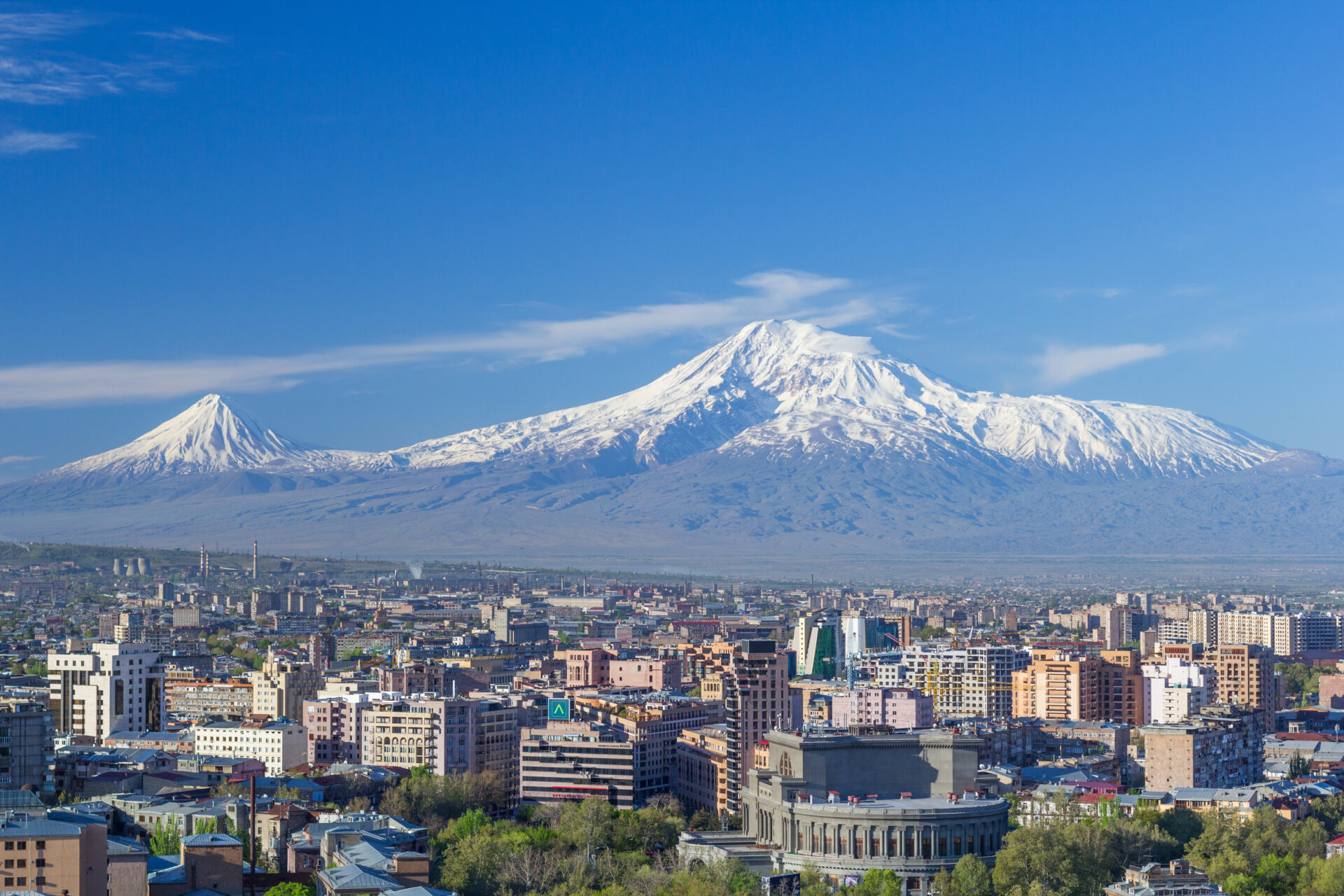
In another move perceived as a conciliatory gesture toward Ankara, Pashinyan’s government removed the image of Mount Ararat from the entry and exit stamps issued by Armenian immigration officers starting in November. Mount Ararat, located in modern-day Turkey but regarded by Armenians as a key national symbol, had been depicted on passport stamps since Armenia’s independence.
Despite these challenges, both Armenia and Turkey have reiterated their commitment to advancing the normalization process, with the stated goal of achieving full normalization of relations without preconditions.


