
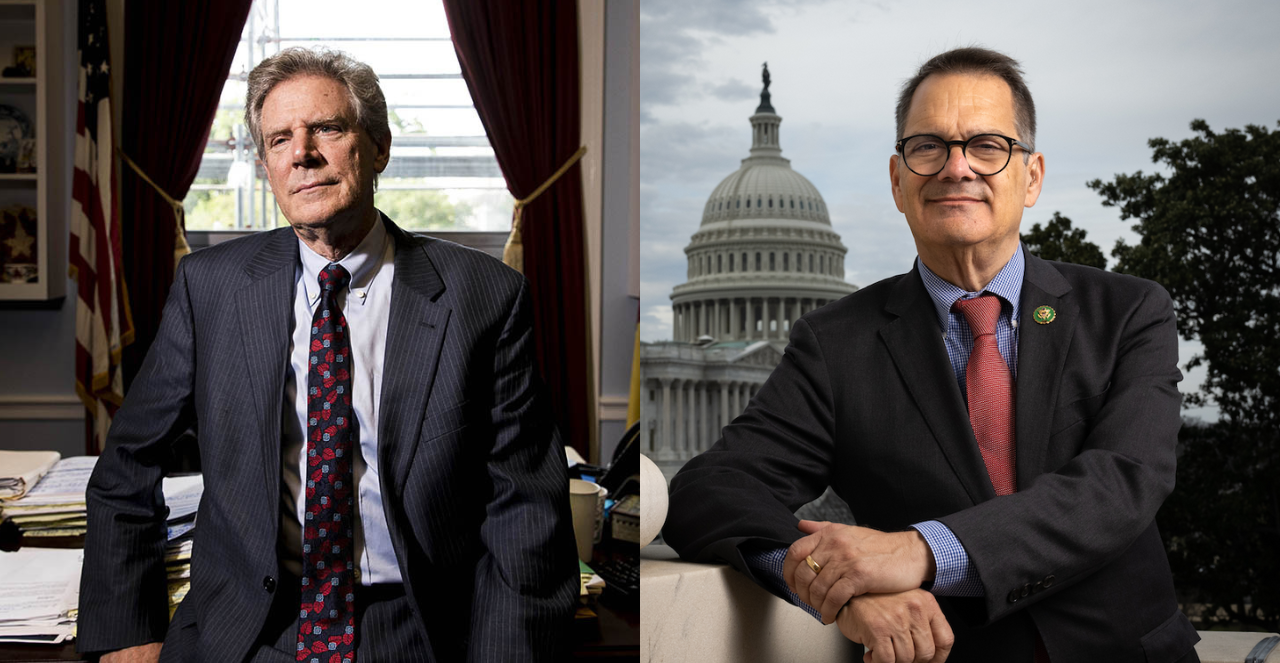

A bipartisan group of U.S. lawmakers led by Representatives Gus Bilirakis (R-FL) and Frank Pallone Jr. (D-NJ) has introduced the Armenia Security Partnership Act, a sweeping legislative effort to hold Azerbaijan accountable for its actions against Armenia by blocking U.S. aid to Baku, enforcing Section 907 of the FREEDOM Support Act, securing the release of Armenian prisoners and hostages, strengthening Armenia’s security, supporting the return of Artsakh refugees, and conditioning future U.S. assistance on concrete steps toward peace, human rights, and respect for Armenia’s sovereignty.
Congressional Support and Lawmaker Statements
“Armenia is a key partner in a volatile region and deserves meaningful support as it faces continued threats to its sovereignty and security,” said Congressman Bilirakis. “This legislation sends a clear message that the United States will not turn a blind eye to aggression, human rights abuses, or the forced displacement of ethnic Armenians. Accountability must be at the center of our foreign policy.”
“For far too long, Azerbaijan has been allowed to act with impunity to destabilize the South Caucasus, commit horrific human rights abuses, and threaten the Armenian people,” said Congressman Pallone. “Our bill is a great step in the right direction to finally hold the Aliyev regime accountable for ongoing crimes against humanity and threats to lasting peace in the region. I look forward to working with Congressman Bilirakis and the rest of my colleagues to pass it into law.”
Joining Bilirakis and Pallone as original cosponsors are fellow Congressional Armenian Caucus Co-Chairs Brad Sherman (D-CA) and David Valadao (R-CA), along with Representatives Gabe Amo (D-RI), Dave Min (D-CA), Jan Schakowsky (D-IL), and Chris Smith (R-NJ). Additional bipartisan support is expected in the coming weeks.
“A durable peace in the South Caucasus must be built on respect for sovereignty, human rights, and international law, not force or coercion,” said Congressman Sherman. “Azerbaijan’s continued aggression against Armenia, the detention of Armenian prisoners, and the destruction of Armenian cultural and religious sites demands a serious response. This bipartisan legislation makes clear that the United States will not reward violations of international law and that Armenia deserves a reliable partner as it works to secure its borders and pursue a just and lasting peace.”
Congressman Valadao added, “As co-chair of the Congressional Armenian Caucus, I’m proud to join my colleagues in introducing the Armenia Security Partnership Act. Azerbaijan’s aggression in the South Caucasus has gone on for far too long, and this bipartisan bill takes meaningful steps to hold them accountable for ongoing human rights abuses and hostilities against the sovereign territory of Armenia.”
Enforcing Accountability and Conditioning U.S. Aid
The ARMENIA Security Partnership Act, short for Advancing Readiness, Military Exchange, and National Integration with Armenia, requires the U.S. Secretary of Defense to certify that Azerbaijan has taken “meaningful steps” toward peace. These steps include fully withdrawing all forces from sovereign Armenian territory, upholding its commitments under the Joint Declaration, unconditionally releasing all Armenian prisoners and hostages, ceasing hostilities against Armenia, recognizing the right of return for ethnic Armenians to Artsakh (Nagorno-Karabakh), and committing to the protection of Armenian cultural and religious heritage sites.
If the Secretary of Defense cannot make this certification, the legislation would trigger an immediate and comprehensive review of U.S. security assistance to Armenia. This review would assess gaps in Armenia’s deterrence and self-defense capabilities, mandate a detailed report on the scale and nature of threats facing Armenia, and recommend steps to strengthen Armenia’s long-term defense needs.
The review would also evaluate existing U.S. security cooperation programs, including Foreign Military Financing and International Military Education and Training, and identify immediate actions the Department of Defense should take to address shortfalls in Armenia’s ability to deter aggression.
Crucially, the bill would prohibit presidential waivers of Section 907 of the FREEDOM Support Act, ensuring that U.S. taxpayer funds cannot support or enable Azerbaijani military aggression.
Armenian Organizations Welcome the Legislation
Both the Armenian National Committee of America (ANCA) and the Armenian Assembly of America welcomed the introduction of the Armenia Security Partnership Act and expressed strong support for its objectives.
“The ARMENIA Security Partnership Act represents a common-sense approach to checking Azerbaijani aggression and strengthening America’s partnership with Armenia,” said ANCA Executive Director Aram Hamparian. “This bipartisan legislation grounds U.S. policy in concrete benchmarks for peace, the release of Armenian prisoners, the withdrawal of Azerbaijani forces from occupied Armenian land, and the protection of Armenian cultural heritage. We need to stop incentivizing continued Azerbaijani hostility by normalizing its genocide of Artsakh and ongoing violations of international law, and start holding the Aliyev regime accountable for its crimes.”
“We commend Congressmen Bilirakis and Pallone for their bipartisan leadership in advancing this vital legislation,” said Mariam Khaloyan, Congressional Relations Director of the Armenian Assembly. “Azerbaijan’s continued unlawful holding of Armenian hostages underscores the need for this bill and the importance of enforcing Section 907 of the FREEDOM Support Act, while also strengthening America’s support for Armenia’s security and sovereignty.”
Defending Section 907 Amid Pro-Azerbaijan Pressure
The bill comes amid renewed efforts by pro-Azerbaijan advocates to repeal Section 907, including H.R.6534, introduced by Rep. Anna Paulina Luna (R-FL), which seeks to lift restrictions on U.S. aid to Azerbaijan.
The ANCA has strongly opposed the measure, calling it reckless and warning that it would reward Azerbaijan’s torture of Armenian hostages, destruction of Armenian Christian heritage, and occupation of Armenian land. The organization has launched a nationwide grassroots campaign urging lawmakers to reject the bill and has publicly challenged Rep. Luna to explain why U.S. taxpayer dollars should be sent to the Aliyev regime.
Advocacy efforts intensified after President Trump waived Section 907 in August 2025 following a U.S.-brokered Armenia-Azerbaijan agreement at the White House, a decision critics argued stripped away a critical source of U.S. leverage over Baku.
Sustained Congressional Pressure on Azerbaijan
In March 2025, 60 U.S. Representatives called on Secretary of State Marco Rubio to fully enforce Section 907, citing Azerbaijan’s ethnic cleansing of Artsakh’s 120,000 indigenous Armenian Christian population, continued occupation of sovereign Armenian territory, and illegal detention and abuse of Armenian prisoners. The bipartisan letter warned that Azerbaijan, having faced no material consequences or accountability, continues to undermine prospects for a just, durable, and dignified peace through ongoing aggression against Armenia.
During a House Foreign Affairs Committee hearing in May 2025, Representatives Jim Costa (D-CA) and Chris Smith (R-NJ) urged the administration to enforce Section 907 restrictions on U.S. military aid to Azerbaijan and secure the immediate release of Armenian hostages. Costa emphasized that administrations from both parties had repeatedly waived the law despite Azerbaijani abuses and called for the waiver to be made permanent.
Secretary Rubio responded that renewed war between Azerbaijan and Armenia would be destructive and counterproductive, underscoring the stakes of continued inaction.
In September 2025, the committee debated an amendment introduced by Rep. Sherman to repeal presidential waiver authority under Section 907, restoring Congress’s prohibition on U.S. military aid to Azerbaijan. Although narrowly defeated, the amendment received unanimous support from committee Democrats and bipartisan backing from Republican Representatives Mike Lawler (R-NY) and Chris Smith (R-NJ), who broke with party leadership in support of enforcing restrictions on U.S. military assistance to Azerbaijan.
Why U.S. Assistance to Azerbaijan Must Be Conditioned
Supporters argue that continued U.S. assistance to Azerbaijan without conditions would reward further aggression by the Aliyev regime, which forcibly displaced Artsakh’s Armenian population, illegally detains more than 80 Armenian prisoners, hostages, and former Artsakh leaders in Baku, threatens Armenia’s sovereignty including the strategic region of Syunik, and systematically destroys Armenian churches, cemeteries, and cultural heritage sites across occupied territories.
Advocates maintain that fully enforcing Section 907, conditioning future U.S. aid, and holding Azerbaijani leadership and its allies accountable is essential to deterring further violence, preventing renewed territorial losses, and upholding international law. The full text of the Armenia Security Partnership Act is publicly available.


